
Shared Tools, Cleaner Futures Across the UK
Let’s dive into the environmental and circular economy benefits of tool sharing in British communities, from bustling London boroughs to small Highland towns. By borrowing instead of buying, neighbours slash waste, cut embodied carbon, and spark repair culture. We will explore real stories, practical steps, and measurable impacts that turn drills, sewing machines, and sanders into community assets. Join the conversation, share your experiences, and help map the next library that your street will love.
Borrowed Power: How Shared Tools Cut Emissions
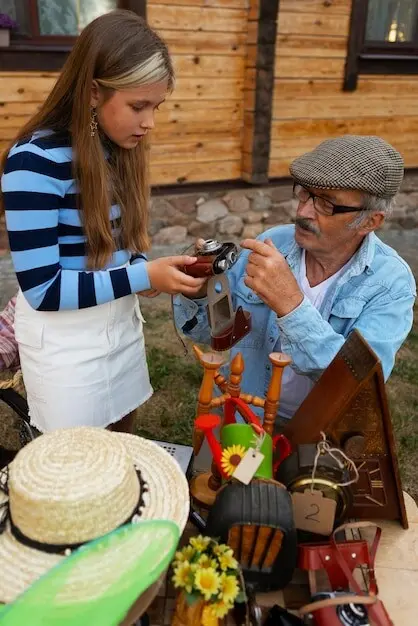
Every tool that is borrowed instead of bought avoids fresh manufacturing, energy-hungry shipping, and packaging that quickly becomes waste. When a lawn mower serves twenty households, its embodied carbon is effectively shared, while noise, clutter, and impulse purchases shrink. British tool libraries show that a drill used for minutes in one flat can become a neighborhood workhorse. Together we extend lifetimes, reduce idle time, and make lighter work for the planet without sacrificing weekend projects or professional-quality results.
Circular Design in Action

Procurement that rewards longevity
Instead of chasing discounts, coordinators specify brushless motors, metal gears, replaceable cords, and available schematics. Framework agreements with manufacturers reward sturdiness, not short-term margins, helping the whole neighbourhood enjoy reliable tools that withstand damp sheds, heavy weekends, and creative experiments without failing or becoming hazardous clutter.

Data that guides circular choices
Checkout histories highlight underused items ripe for donation or loan to nearby branches, while repair logs reveal failure patterns that volunteer engineers can preempt. Shared dashboards quantify emissions saved and lifetimes extended, giving councils and funders clear justification to expand networks and invest in skill-building workshops.

Closing the loop with makers and fixers
Makerspaces, Men’s Sheds, and college workshops partner to fabricate jigs, 3D-print spares, and refurbish donated gear. Components that cannot be reused are responsibly recycled, with materials traced, and insights fed back to purchasing policies, turning practical tinkering into a feedback loop that steadily reduces waste.
Community Stories from Across Britain
From London’s Library of Things to Edinburgh’s pioneering network and Frome’s cheerful SHARE, the magic shows up in faces, not spreadsheets. Volunteers greet first-timers, swap tips over kettles, and cheer repaired handles. Neighbours transform occasional interactions into friendships that make borrowing easy, joyful, and proudly local everywhere.
A father and daughter arrive dripping, clutching a shelf plan smudged by the weather. They leave laughing with a level, drill, and wall anchors, plus a promise to return for a repair club. Weeks later, they donate spare brackets and bake thank-you shortbread.
On a spring evening, a cordless mower passes hand to hand along a terrace as neighbours trim tiny lawns and share plant cuttings. A retired electrician tests chargers, teaches safe use, and schedules battery rotations, saving money while nurturing friendships and beautifully tidy verges.
Tables pile with kettles, toasters, and sanding pads as people swap cake for know-how. A teenager re-solders a loose wire, then celebrates by borrowing a sewing machine to customize a jacket. Confidence blooms, landfill shrinks, and the high street feels newly resourceful and welcoming.

Smart Economics for Households and Councils
Sharing turns occasional-use tools from expensive clutter into low-cost services. Families avoid big upfront purchases and ongoing storage headaches, while councils see reduced bulky waste and engaged residents. Local hire shops collaborate on specialist equipment, increasing utilisation without duplicating stock, and keeping value, skills, and spending circulating locally.

A calmer family budget
Instead of buying a planer for one renovation, households pay a small membership and borrow what they need, when they need it. Predictable costs and community tips reduce mistakes, improve outcomes, and free savings for insulation, efficient appliances, or simply a restful holiday by the coast.
Lower waste management costs
Fewer broken, underused tools reach tips when maintenance, repair help, and responsible end-of-life channels are available. Councils benefit from avoided disposal fees and happier residents, while charities receive safely refurbished donations that support employment programmes, teaching repair skills that ripple through families, streets, and small enterprises.
Partnerships with local businesses
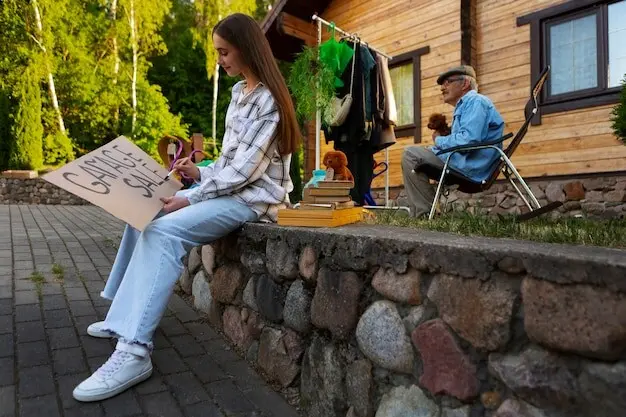
Hardware stores and hire companies join forces by offering member discounts, safety inductions, and surplus stock for community use. In return they gain loyal customers and visibility. The result is a healthier ecosystem where each actor thrives, waste falls, and neighbourhood workshops stay well supplied year-round.
Practical Playbook for Starting or Joining
Whether you are curious borrower or budding organiser, start with a map of nearby services, a simple inventory, and community conversations. Secure insurance, PAT testing, and clear user guides. Build a welcoming rota, celebrate first wins loudly, and keep feedback loops open so improvements never stall.
Find or launch a library near you
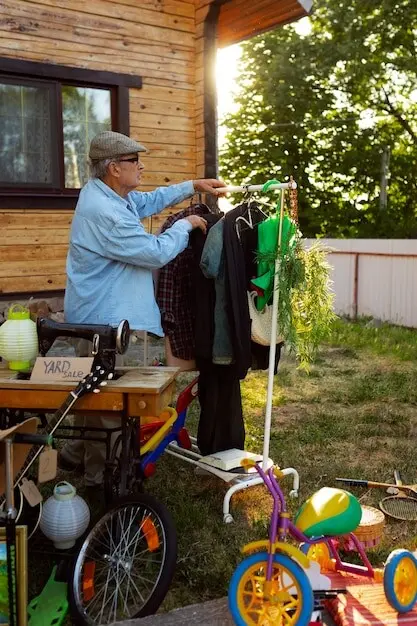
Search national directories, ask your council, and check social groups for pop-up collections. If none exist, begin small with donations and a weekend stall. Transparent rules, simple booking tools, and cheerful signage create momentum that pulls in skills, tools, and collaborators you never expected.
Keep tools safe, sharp, and ready
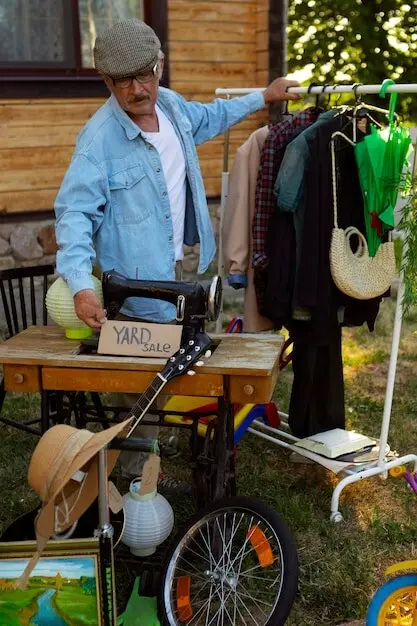
Schedule inspections, log issues, and teach users to return items clean with accessories bundled. Label batteries, sharpen blades, and quarantine anything suspect until reviewed. These routines build trust, prevent accidents, and stretch lifespans so queues get shorter and satisfaction spreads across chat groups and kitchen tables.
Designing for Equity and Access
The best lending spaces welcome every neighbour, regardless of income, language, mobility, or confidence with tools. Sliding-scale memberships, community hosts, and multi-lingual guidance reduce barriers. Outreach beyond social media ensures people without smartphones can borrow, learn, and feel proud of contributions to cleaner, calmer, fairer streets.
Pay-what-you-can without stigma
Invite members to choose a contribution that feels comfortable, backed by transparent costs and welcoming signage. Vouchers from partners cover short-term need, while donation jars capture goodwill. Friendly checkouts and private forms prevent awkward moments, sustaining dignity alongside the practical magic of borrowing and fixing together.

Accessible spaces, hours, and instructions
Host branches near frequent buses, step-free entrances, and schools. Offer evening and weekend hours. Provide clear visual guides, large-print safety sheets, and translated labels. Demonstrations with ear defenders and gloves build confidence, ensuring every borrower leaves empowered, prepared, and eager to return with a new project.
Inclusion that reshapes who builds
Women-led sessions, intergenerational teams, and LGBTQ+-friendly spaces change the faces around the workbench. Mentors demystify loud tools, and childcare corners welcome families. As confidence spreads, more hands tackle home repairs, garden projects, and creative reuse, rewriting who gets to design, fix, and proudly finish things.
Measure What Matters
Great stories win hearts, and solid metrics win grants. Count kilograms diverted, repairs completed, and miles of deliveries avoided. Estimate embodied carbon saved using conservative factors, then pair numbers with human voices. Publish dashboards, invite feedback, and adjust operations so impact rises and waiting lists shrink steadily.
A simple, honest carbon calculator
Start with published product carbon estimates for drills, sanders, and mowers, divide by expected lifetime uses, then compare to your shared utilisation. Keep assumptions public and cautious. Update annually so achievements stay credible, defensible, and useful for conversations with councils, neighbours, and curious new volunteers.
Utilisation that tells a deeper story
Track how often each item goes out, how long it stays useful, and which accessories drive success or breakage. Patterns reveal training needs and procurement tweaks that multiply benefits, turning raw counts into practical decisions that save time, money, and carbon across whole neighbourhoods.
Stories that mobilise support
Collect short notes at checkout about what was built or fixed, then ask permission to share photos. Pair each metric with a human moment: a mended fence, a safer home, a flourishing garden. Support grows when people recognise their neighbours’ pride, effort, and practical ingenuity.
All Rights Reserved.